
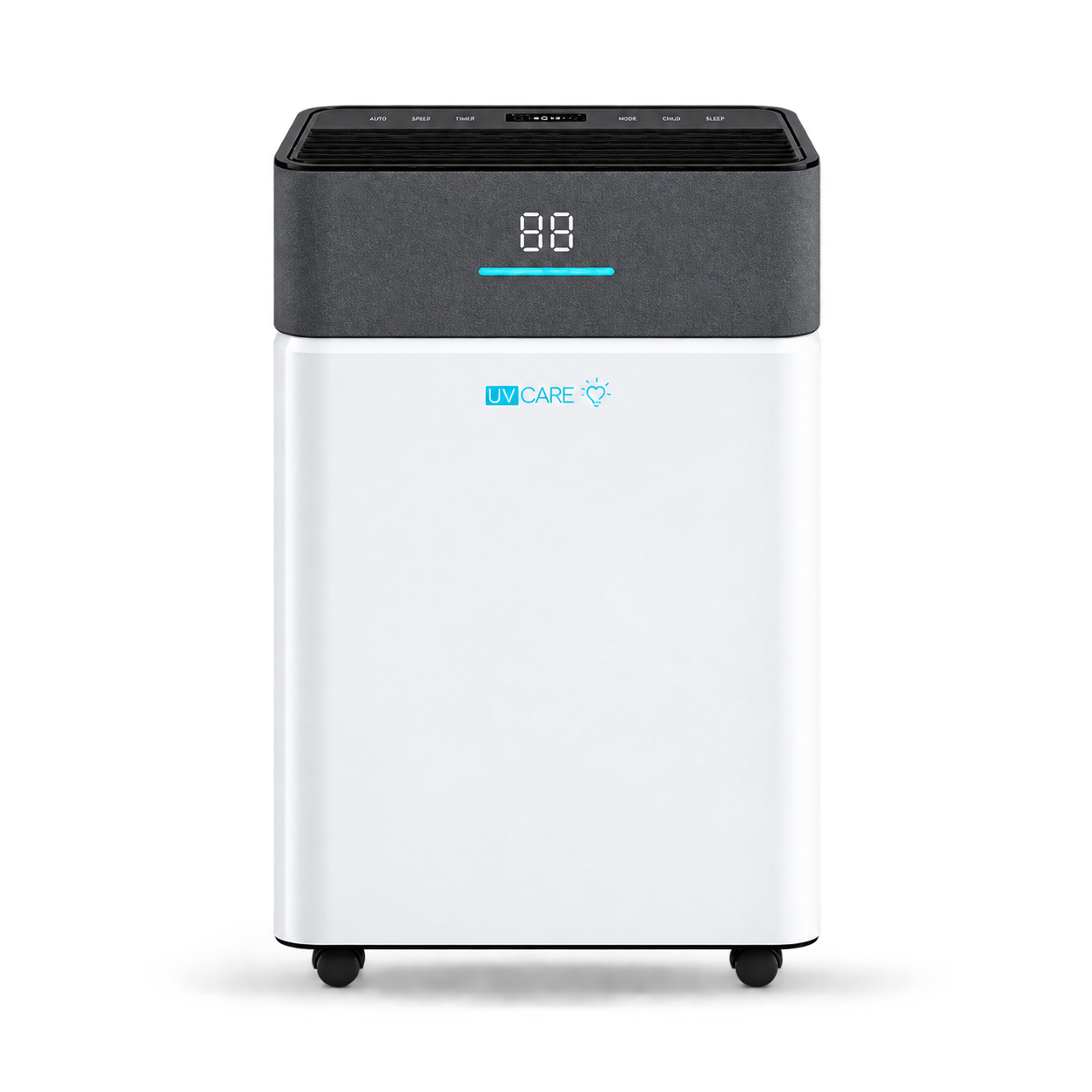
Place a dehumidifier where air can circulate freely and where collected water can be managed safely. This guide explains how to evaluate clearance, doors, obstructions, drainage, heat sources and target zone so Philippine households can choose and use indoor-air equipment more confidently.
What is the direct answer?
Place a dehumidifier where air can circulate freely and where collected water can be managed safely. The best result comes from identifying the underlying problem first. A product that is excellent at particle filtration may do little for excess moisture, while moisture control alone will not remove all airborne particles or gases.
Start with observable conditions and simple measurements. Note the room dimensions, ventilation, occupancy, operating schedule, sources of moisture or pollution, and how the space changes between dry and rainy weather. These details are more useful than choosing solely from a broad coverage claim.
Which factors should you compare?
| Factor | Why it matters | Practical check |
|---|---|---|
| Room conditions | Size, ceiling height and open doors affect how quickly treated air mixes. | Measure the actual room and note adjoining spaces. |
| Verified performance | Comparable ratings are more useful than marketing labels. | Check the manual and rating method for the exact model. |
| Noise | A device that is too loud may be switched off when it is most needed. | Compare sound levels at realistic operating speeds. |
| Maintenance | Filters, tanks, coils and sensors need routine care. | Confirm access, replacement cost and local availability. |
| Placement | Blocked inlets or outlets reduce circulation. | Follow the manufacturer’s clearance instructions. |
How should you size the equipment?
Use the manufacturer’s performance data for the exact model and the actual conditions. For an air purifier, compare clean-air delivery rate with room size and intended fan speed. For a dehumidifier, consider moisture load, temperature, room volume and the test conditions behind the stated extraction capacity.
Choose enough capacity to make progress without assuming that the largest unit is automatically best. Oversized or poorly placed equipment can create unnecessary noise, drafts, heat or energy use. Open-plan layouts may require a different approach from a closed bedroom, and severe moisture problems may require building repairs rather than a larger appliance.
What can the appliance do—and what can it not do?
Moisture-control equipment can lower indoor humidity when it is correctly sized and operated. It cannot stop rain penetration, plumbing leaks, ground moisture or condensation caused by an unresolved building defect. Visible mold and damaged porous materials may require appropriate cleaning or professional remediation.
Be cautious with absolute health, sterilization or “zero pollutant” promises. Indoor-air quality is a system involving source control, ventilation, filtration or air cleaning, moisture management and occupant behavior. Product selection should support that system.
Where should you place it?
Keep the intake and outlet clear, place the appliance on a stable surface and avoid curtains or furniture that obstruct airflow. Position it in the room where the problem occurs instead of expecting one small portable appliance to treat an entire home through closed doors.
For bedrooms and offices, consider the direction of the outlet so it does not create a continuous draft. For moisture-control equipment, plan how the tank will be emptied or how a drain hose will run without kinks, trip hazards or leaks. Never place electrical equipment where it may be splashed unless the manufacturer specifically permits that installation.
How can you use it efficiently?
- Close unnecessary doors and windows when treating a defined room.
- Use the lowest effective setting once conditions stabilize.
- Clean accessible prefilters and air paths on schedule.
- Do not cover the appliance or block ventilation openings.
- Track filter changes, cleaning and humidity readings.
For electricity estimates, multiply the rated input in kilowatts by daily operating hours and the local electricity rate. Actual consumption may vary with fan speed, compressor cycling, temperature and humidity. Compare energy together with performance: a low-power device that cannot treat the room may need to run continuously without solving the problem.
A practical setup checklist for Philippine homes
Before purchase, measure the room, record humidity at different times for several days when moisture is the concern, and list the likely pollutant or moisture sources. Check whether air-conditioning, exhaust ventilation, open windows, cooking, laundry or bathroom use changes the readings. Decide where the appliance will stand and confirm access to a safe outlet.
After setup, record baseline conditions and test the unit during the periods when the problem is strongest. Recheck the room after doors or windows are opened, and observe whether airflow is obstructed. If dampness or odor returns quickly after the unit stops, investigate hidden moisture or ventilation rather than assuming the appliance is defective.
Review results after one to two weeks. Adjust the schedule or location, complete maintenance, and keep realistic expectations. Persistent leaks, widespread mold, burning odors, unusual electrical noise or worsening respiratory symptoms require the appropriate building, electrical or healthcare professional.
How should you compare models before buying?
Create a short comparison using only the exact models available to you. Record verified performance, recommended operating range, physical dimensions, noise information, rated power, warranty, filter or consumable price, and whether replacement parts are locally available. Check the user manual before purchase because it usually contains placement clearances, drainage limits and maintenance details that are missing from short product listings.
Also compare the cost of ownership rather than purchase price alone. A lower-priced unit may require frequent consumables, while a larger model may use more power or be unnecessarily noisy in a small room. Choose the unit that fits the measured problem, can be maintained consistently and has accessible after-sales support.
Frequently asked questions
Should the appliance run all day?
It depends on conditions, controls, noise and energy use. Automatic modes can help, but follow the model instructions and verify that the room is improving.
Can one unit treat several rooms?
Closed doors and poor circulation limit portable equipment. Select for the connected area actually reached by the airflow, not the total floor area of the home.
How soon should results appear?
Airborne particle levels can change while a purifier runs, whereas damp materials may take longer to dry. Severe sources can overwhelm a small unit.
What maintenance is most important?
Keep airflow paths clear, service filters or tanks as instructed, inspect cords and plugs, and avoid cleaning methods not approved for the model.
For available capacities and operating modes, compare the UV Care dehumidifier range, including the Dry Pure 30L inverter dehumidifier and air cleaner.